
Lumbar Disc Herniation Recovery in Calgary
At Active Back to Health, our team supports people dealing with complex spine conditions through coordinated, multidisciplinary care. This case example follows a 35-year-old athlete who experienced an acute lumbar disc herniation while lifting at the gym and worked toward returning to regular activity with guidance from our team.
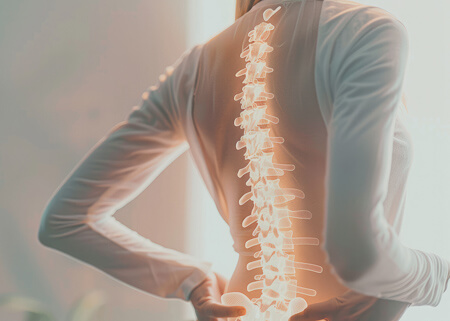
The Injury: When a Small Moment Leads to Big Pain
The patient was performing deadlifts during a routine workout when he felt a sudden sharp sensation in his lower back. At first it seemed like a minor strain. By the next morning, the situation had escalated significantly. His pain level was extremely high and he began experiencing symptoms consistent with sciatica, including radiating discomfort and weakness through his right leg.
Simple movements such as getting out of bed or bending forward became very difficult. With limited mobility and nerve-related symptoms, he sought professional assessment to understand what was happening and how to move forward safely.
A Detailed Assessment Process
A Coordinated Care Approach
Supporting recovery from a disc injury often involves more than one strategy. Based on the assessment findings, a coordinated care plan was developed involving several disciplines.
- Chiropractic care focused on restoring spinal motion and reducing irritation around the affected nerve root.
- Physiotherapy helped improve joint mechanics and soft tissue function.
- Medical acupuncture was used to support pain modulation and nervous system balance.
- Massage therapy addressed muscle tension that had developed as the body attempted to protect the injured area.
- Education was also an important part of care. The patient learned internal bracing and movement strategies designed to support the spine during daily activities.
Gradual Return to Strength Training
Rebuilding confidence in movement was an important step. Early stages focused on practicing the hip hinge pattern without added weight so the body could re-establish safe movement mechanics.
With guidance from the care team, he progressed back to regular gym activities while applying new strategies to protect his spine.
Ready to Get Clarity on Your Disc-Related Back Pain?
If back pain, sciatica, or leg weakness is making movement feel uncertain, an assessment can help you better understand what may be contributing and which care options may be appropriate. Book your evaluation at Active Back to Health today.
