Sports Injuries in Calgary
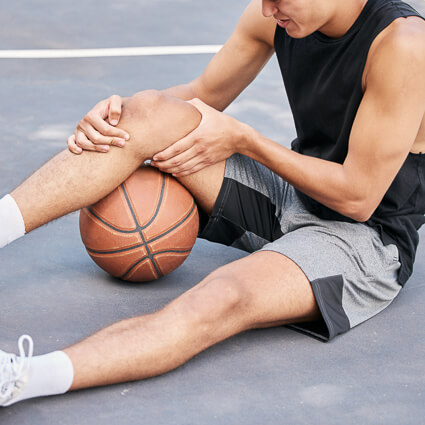
Whether you’re preparing for competition, training for a personal goal, or staying active for your overall well-being, injuries can interrupt the activities you enjoy. Sports-related concerns can affect athletes at every level, from recreational participants and student athletes to seasoned competitors.
A personalized assessment can help identify movement limitations, physical stressors, and other factors that may be influencing performance or comfort.
Sports-Related Injuries and Movement Concerns
Athletes place unique demands on their bodies. Repetitive movements, sudden changes in direction, training volume, and physical contact can all contribute to injury.
Sports-related concerns may involve the shoulders, elbows, wrists, hips, knees, ankles, neck, or back. Some issues develop gradually over time, while others occur following a specific event, such as a fall, collision, or change in activity levels. Even a small change in form, footwear, equipment, or training schedule can place added stress on nearby joints and soft tissues.
A Whole-Body Approach to Sports Injury Assessment
A sports injury evaluation may include a review of your health history, training habits, movement patterns, posture, joint mobility, and physical function.
Rather than focusing exclusively on one area, the assessment considers how different parts of the body work together during activity. For example, shoulder discomfort may be influenced by neck, mid-back, elbow, or wrist mechanics. Knee concerns may be related to hip, ankle, or foot function. This broader view may identify movement patterns that could contribute to physical stress during activity.
How One Athlete’s Injury Informed His Care Plan
Sports injuries can occur in many different ways. For example, one competitive squash player visited our clinic after sustaining an elbow injury during a match. Because sports injuries often affect multiple areas of the body, his evaluation included assessments of the neck, upper back, shoulder, elbow, and wrist, along with strength and movement testing.
Based on the findings, care recommendations were tailored to his individual needs and activity goals. The patient later reported positive changes in his symptoms over the course of care.
This example highlights the importance of a thorough assessment when evaluating sports-related injuries. Looking at how the body moves as a whole can help guide recommendations that align with a person’s sport, activity level, and goals.
Disclaimer: This patient case study reflects the experience of one individual and is provided for educational purposes only. Every patient presents with unique health conditions, circumstances, and responses to care. Results may vary, and no specific outcome can be guaranteed. The improvements described in this case are not intended to represent or promise that any other patient will achieve the same results. A thorough examination and individualized care plan are necessary to determine the appropriateness of care and potential outcomes for each patient.
Care Recommendations Based on Your Activity Goals
Depending on your assessment findings, recommendations may include chiropractic adjustments, acupuncture, laser therapy, soft tissue techniques, mobility exercises, or other forms of conservative care.
Your activity level, sport, and personal goals are all considered when developing a plan. Whether you’re training for competition or hoping to return to recreational activity, recommendations are tailored to your situation.
Guidance for Returning to Training and Competition
Returning to sport or exercise is rarely a one-step process. Gradually increasing activity levels while monitoring movement quality, strength, flexibility, and comfort can help guide decision-making along the way.
Our team works with active individuals throughout Calgary to help them better understand their options and make informed choices about their care.
Get Back to Doing What You Enjoy
If an injury is affecting your ability to train, compete, or stay active, schedule an assessment with Active Back to Health. We’ll discuss your concerns, evaluate your movement, and outline care options designed around your goals.
